
It’s a question we hear often, and it makes sense: “Can I detox at home?” When someone is ready to stop drinking or using drugs, home can feel like the safest place. Familiar. Private. Less intimidating than a medical setting.
But here’s the truth, said with a lot of care: detox is not just about willpower. It’s about your nervous system and organs recalibrating after substance dependence. And that process can become unpredictable fast, even for people who have detoxed before, even for people who “don’t use that much,” and even for people with strong support at home.
Self-detox can turn dangerous in ways most people do not see coming. This article will walk you through what at-home detox really looks like, why it can be risky, what warning signs matter, and how medically supervised detox keeps you safer while protecting your dignity and comfort.
What “detox” actually means (and why it’s more than feeling sick)
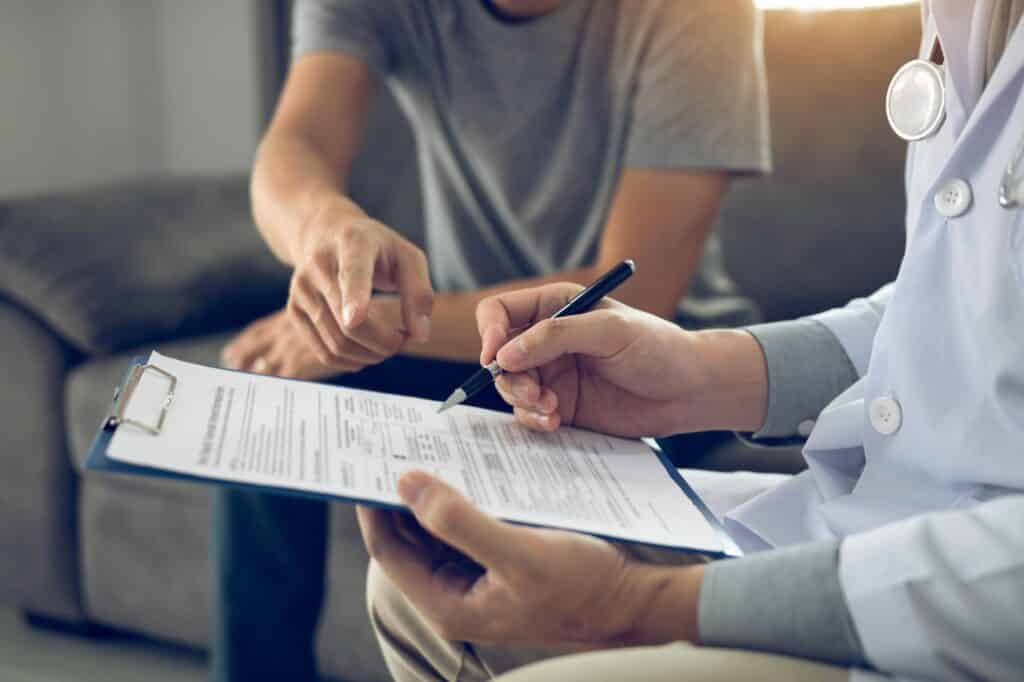
Detox is the early phase of recovery when the body clears alcohol or drugs and starts adjusting without them. If your brain has adapted to a substance, stopping suddenly can trigger a rebound effect. Depending on the substance, your body may swing into:
- Overstimulation (shaking, sweating, racing heart, panic, insomnia)
- Depression of vital functions (slowed breathing, sedation, confusion)
- Dangerous shifts in blood pressure, temperature, hydration, and electrolytes
- Seizures or delirium in some cases, especially with alcohol and certain medications
Detox can also affect thinking and emotions. People may experience severe anxiety, agitation, hopelessness, paranoia, or depression. That is not a personal failing. It is a known medical and neurological response.
The biggest risk of detoxing at home is not discomfort. It’s unpredictability.
Why at-home detox feels appealing (and why that doesn’t make it safe)
Most people considering self-detox are not being reckless. They are trying to protect themselves and their families from added stress. Common reasons include:
- Fear of judgment or stigma
- Worry about missing work or childcare
- Concern about cost or insurance
- Anxiety about hospitals or inpatient settings
- Desire for privacy
- Past negative experiences with healthcare
- Belief that symptoms will be “manageable”
These concerns are real, and we take them seriously. But detox is one of those rare moments where “toughing it out” can backfire. Even a well-intentioned plan can go sideways quickly.
The hidden dangers of self-detox
1) Alcohol withdrawal can be life-threatening
Alcohol withdrawal is one of the most medically dangerous withdrawals. People often underestimate it because alcohol is legal and normalized. But when someone has developed physical dependence, stopping abruptly can trigger severe symptoms, including:
- Seizures
- Delirium tremens (DTs), which can include confusion, hallucinations, dangerous agitation, fever, severe blood pressure changes, and cardiac complications
- Dehydration and electrolyte imbalances
- Falls, head injuries, and aspiration (choking on vomit)
DTs can be fatal without treatment. They can also begin after a delay, sometimes 48 to 72 hours after the last drink, which is one reason people feel “fine” at first and decide they do not need help.
2) Benzodiazepine withdrawal can also be dangerous
Benzodiazepines (like Xanax, Ativan, Klonopin, Valium) can cause serious withdrawal, especially after regular use. Stopping suddenly may lead to:
- Severe anxiety and panic
- Tremors
- Insomnia
- Hallucinations
- Seizures
- Dangerous spikes in blood pressure and heart rate
Benzodiazepine withdrawal can be medically complex because safe detox often requires a careful taper and monitoring. Trying to manage it alone, or replacing it with alcohol, can create serious complications.
3) Opioid withdrawal feels unbearable, and that increases relapse and overdose risk
Opioid withdrawal (heroin, fentanyl, oxycodone, hydrocodone, morphine) is not typically fatal in the way alcohol withdrawal can be, but it can be intensely painful and destabilizing, including:
- Vomiting and diarrhea leading to dehydration
- Muscle and bone pain
- Sweating, chills, restlessness
- Anxiety, insomnia, and agitation
- Intense cravings
Here is the hidden danger: people often relapse to stop the symptoms, then accidentally overdose because tolerance drops quickly. With fentanyl in the drug supply, this risk is even higher.
Detoxing at home can become a cycle of:
- Stop
- Get sick
- Use to relieve symptoms
- Stop again
- Use again, at a dose the body cannot tolerate
Medically supervised detox helps break that cycle by reducing suffering and lowering the chance of impulsive relapse.
4) Stimulant withdrawal can trigger depression and suicidal thoughts
Stimulants like cocaine and methamphetamine may cause withdrawal symptoms that are more psychological than physical, but that does not mean they are mild. People may experience:
- Crushing fatigue
- Severe depression, hopelessness, or mood swings
- Anxiety, agitation, irritability
- Disturbed sleep (too much or too little)
- Intense cravings
The risk here is emotional collapse, impulsivity, and unsafe decisions. If someone already lives with anxiety, trauma, bipolar disorder, or depression, withdrawal can amplify symptoms.
5) Polysubstance use makes home detox especially risky
Many people are not withdrawing from just one substance. Alcohol plus benzos. Opioids plus benzos. Stimulants plus alcohol. Prescription medications combined with street drugs.
When substances overlap, withdrawal can become unpredictable, and one symptom can hide another. For example:
- Someone stops opioids, but alcohol withdrawal is the bigger medical threat.
- Someone stops benzos and tries to “take the edge off” with alcohol, raising seizure risk.
- Someone uses stimulants to fight withdrawal fatigue, worsening panic, insomnia, and heart strain.
In our detox setting, we assess the full picture and plan for what is actually happening in the body, not just what someone thinks they are withdrawing from.
6) Dehydration and electrolyte imbalance are common and dangerous
A lot of home detox attempts involve days of:
- Vomiting
- Diarrhea
- Sweating
- Not eating
- Not drinking enough fluids
- Poor sleep
This can lead to dehydration and electrolyte disturbances that affect heart rhythm and brain function. People can become weak, confused, and at risk of fainting or falling. In severe cases, it can become an emergency.
7) “Detox kits” and internet advice can cause harm
We understand why people look for shortcuts. But many at-home detox products are unregulated, and some approaches can be unsafe, including:
- Megadoses of supplements without medical guidance
- Combining sedating medications or alcohol to “sleep through it”
- Taking someone else’s prescriptions
- Overusing anti-diarrheals, sleep aids, or antihistamines
- Fasting or extreme cleanses during withdrawal
Detox is not about “flushing toxins.” It is about stabilizing the nervous system while the body adjusts. When people follow unsafe advice, they can worsen symptoms or delay proper care.
The biggest misconception: “If it gets bad, I’ll go to the ER”
This sounds reasonable, but withdrawal often does not give a neat warning. Symptoms can escalate at night, when clinics are closed. Confusion can creep in. Someone might be too ashamed to call for help, or too disoriented to recognize the danger.
Also, when withdrawal becomes severe, the ER can be a stressful environment. You may see long waits, bright lights, limited comfort, and a focus on acute stabilization rather than ongoing detox support.
Medically supervised detox offers something different: continuous monitoring, comfort-focused support, and a plan for what comes next.
When at-home detox is most dangerous (common risk factors)
Self-detox is especially risky if any of the following apply:
- Daily or heavy alcohol use
- History of alcohol withdrawal symptoms, seizures, or DTs
- Benzodiazepine use (even as prescribed) with dependence
- Mixing substances (alcohol + benzos, opioids + benzos, etc.)
- Prior overdose or recent relapse after abstinence
- Heart disease, high blood pressure, liver disease, diabetes, COPD/asthma, or chronic pain conditions
- Pregnancy
- History of severe anxiety, depression, bipolar disorder, psychosis, or suicidal thoughts
- Limited support at home or an unsafe home environment
If you see yourself in this list, please take it seriously. Getting professional detox support is not overreacting. It is taking care of your life.
Warning signs that require urgent medical attention
If someone is withdrawing at home and experiences any of the following, seek emergency care immediately:
- Seizure activity or loss of consciousness
- Confusion, severe disorientation, or hallucinations
- Chest pain, irregular heartbeat, severe shortness of breath
- Uncontrolled vomiting or inability to keep fluids down
- High fever, severe shaking, or extreme agitation
- Blue lips or slowed breathing (possible opioid overdose)
- Suicidal thoughts, self-harm, or inability to stay safe
If you suspect overdose, call emergency services right away.
What medically supervised detox provides that home cannot

Choosing inpatient, medically supervised detox is not about making things harder. It is about making them safer and more manageable.
At Live Oak Detox in Fort Pierce, FL, our first step is medical detox with 24/7 medical supervision and support. Here is what that can mean for you or your loved one:
1) Safety through continuous monitoring
Withdrawal can shift quickly. In a medically supervised setting, vitals and symptoms can be monitored so we can respond early, not late.
2) Medication support when appropriate
Depending on the substance and your health history, medications may be used to:
- Reduce withdrawal intensity
- Lower seizure risk (when relevant)
- Support sleep and anxiety management
- Ease nausea, vomiting, and body discomfort
- Stabilize cravings during early recovery (when clinically appropriate)
This is not about replacing one addiction with another. It is about protecting your brain and body during a vulnerable medical window.
3) Comfort, hydration, nutrition, and rest
People underestimate how healing it is to have:
- Fluids and nutrition supported appropriately
- A calm, structured environment
- Help with sleep disruption
- A team that understands what withdrawal feels like
Detox can still be uncomfortable, but you do not have to endure it alone.
4) Support for co-occurring mental health
Many people do not just have a substance use disorder. They also carry anxiety, depression, trauma, PTSD, or other mental health concerns. Withdrawal can intensify these symptoms.
We provide compassionate, evidence-based care for individuals struggling with substance use disorders and co-occurring mental health conditions, because treating only one piece often is not enough.
5) A clearer next step after detox
Detox is the beginning, not the finish line. When someone detoxes at home, they often reach day three or five and think, “Now what?” That gap is where relapse commonly happens.
With professional detox, you can move into the next level of care with more stability, more clarity, and more support.
“But I’m scared to detox in a facility”
That fear is more common than you might think. Some people worry they will be judged. Others worry they will lose control, be forced into something, or feel embarrassed about their symptoms.
You deserve to be treated with respect.
A quality detox program is not a place where you are shamed for struggling. It is a place where people understand that withdrawal is real, dependence is real, and recovery is possible. If you have been carrying this alone, it can be a relief to finally let someone help.
“What if I can’t take time away from life?”
It can feel impossible to step away, especially with work, kids, or family responsibilities. But it may help to reframe the question:
How much time have substances already taken from your life?
Not just hours, but energy, presence, sleep, relationships, health, peace.
Detox is a short window, but it can be the start of getting your life back.
If you are supporting a loved one, this matters too: trying to manage someone’s detox at home can put families in frightening situations, including medical emergencies, nighttime monitoring, and severe mood instability. Getting professional support protects everyone.
If you’re considering detox at home, try this safer first step
If you are not sure what level of care you need, you do not have to guess. The safest move is to talk with professionals who do this every day and can help you make a plan based on:
- What you are using
- How often and how much
- Your medical and mental health history
- Past withdrawal experiences
- Your current support system
Even if you feel embarrassed, even if you are not “ready” for everything after detox, you can still take this first step.
A note for families: what support can look like right now
If you are reading this because you love someone who wants to quit at home, you might be carrying fear and responsibility at the same time. A few gentle truths:
- You cannot “watch closely enough” to prevent every withdrawal complication.
- You cannot love someone into medical stability without support.
- It is okay to ask for professional help, even if your loved one is unsure.
Sometimes the most loving thing is saying: “I want you safe, and I don’t want us doing this alone.”
How we can help at Live Oak Detox
If you or someone you love is thinking about detoxing at home, we would like to help you take a safer next step.
Live Oak Detox is a medically supervised inpatient drug and alcohol treatment center in Fort Pierce, FL. We provide 24/7 medical supervision, compassionate support, and evidence-based care to help people withdraw safely from alcohol, drugs, or prescription medications, including support for co-occurring mental health conditions.
If you are unsure what you need, reach out anyway. We can talk through what’s going on and help you understand your options.
Contact Live Oak Recovery Center today to speak with our team and take the first step toward safe, supported detox.